
How Long Do You Have to File an Injury Claim Against the Government in California?
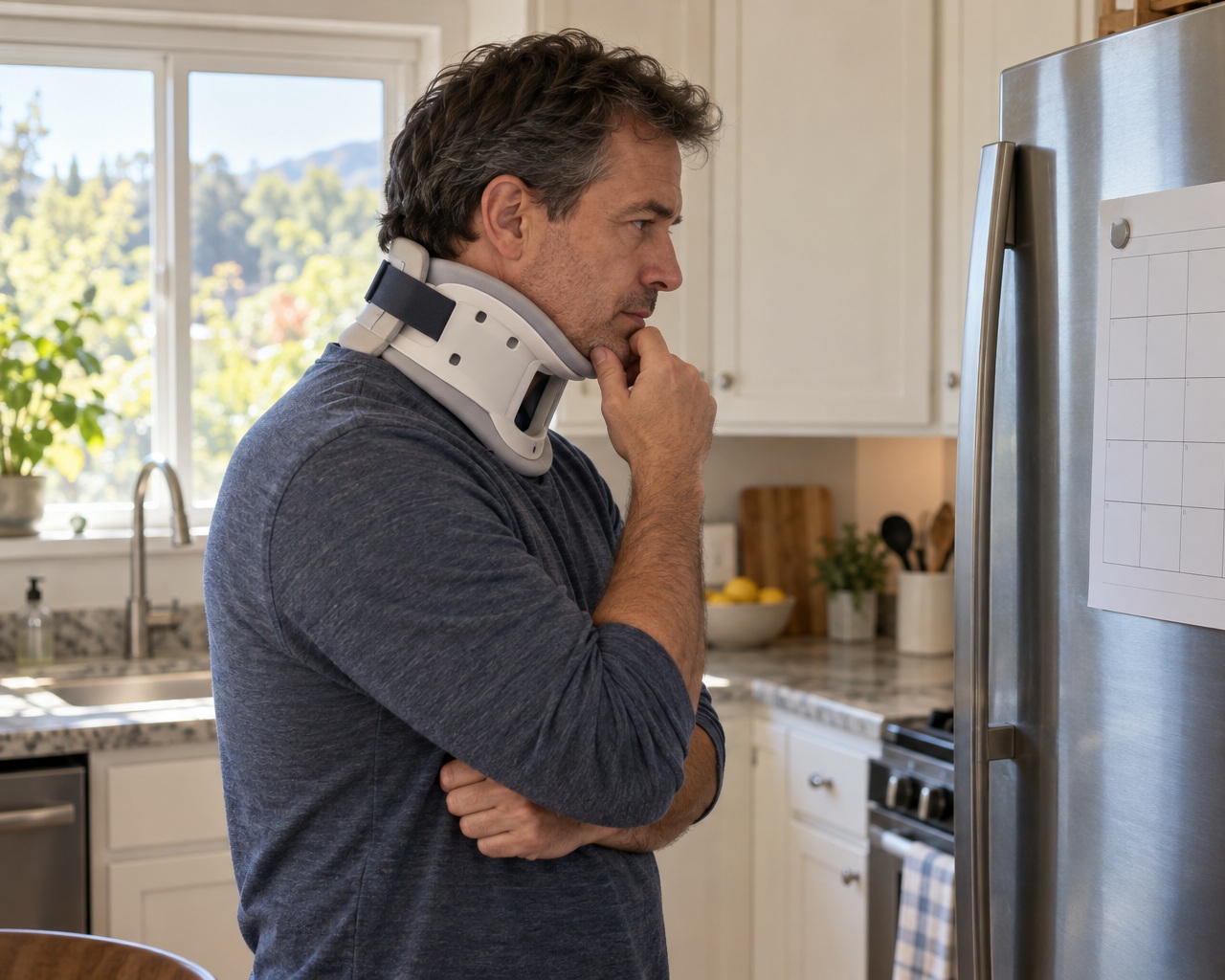
Injured Bay Area Residents Usually Have Just Six Months to Protect Their Right to Compensation
A California government injury claim has a much shorter deadline than most people expect. A crash with a city truck or a fall on public property can mean surgery, missed paychecks, and months of rehab. Those problems demand attention. Meanwhile, a separate clock is already running on the right to seek compensation from the agency responsible.
In California, a personal injury claim against a state or local government entity generally must be presented within six months. The clock usually starts on the injury date. This formal claim usually must come before any lawsuit. Waiting for the ordinary two-year lawsuit deadline can mean losing the chance to hold the agency accountable.
The injured person doesn't need to finish treatment before taking action. A Walnut Creek personal injury lawyer can identify the responsible agency and protect the deadlines that apply. The lawyer can also investigate the accident while the injured person focuses on recovery. Even when government involvement is uncertain, checking early can preserve options that might otherwise disappear.
|
What to Know Before You File
|
Why Is the Deadline So Short for Government Claims?
California law gives public agencies special protection. Before suing a city, county, or state agency, a person must first file a formal claim with it. Under Government Code section 911.2, that claim is generally due within six months after an injury or death. Without it, the case usually can't go to court.
The idea is to give the government an early chance to investigate and settle. In practice, the short window works against injured people. The first months after a crash are often filled with doctor visits, missed work, and calls from insurance companies. Legal deadlines are the last thing on anyone's mind during that stretch.
Federal agencies follow different rules. A crash with a mail truck or another federal vehicle falls under the Federal Tort Claims Act. That law allows two years to present a claim to the federal agency. Sorting out which rules apply is one of the first jobs an injury lawyer handles. Getting it wrong can cost months of valuable time.
Which Accidents Fall Under the Six-Month Rule?
The six-month rule applies any time a public employee, vehicle, or property plays a role in an injury. In the Bay Area, that covers more situations than many people realize, including:
- Bus and Train Crashes – Bus accidents and collisions involving AC Transit, County Connection, BART, and other public transit systems that carry thousands of riders every day.
- Police and Fire Vehicle Accidents – Crashes with patrol cars, fire engines, and public ambulances, including vehicles responding to emergencies with lights and sirens.
- City and County Truck Collisions – Accidents with garbage trucks, utility vans, street sweepers, and road maintenance crews working on public streets.
- School Bus Accidents – Crashes involving school buses run by public school districts, whether the injured person was a student or another driver.
- Dangerous Road Conditions – Potholes, broken traffic signals, missing signs, and poorly marked work zones on public roads and highways.
- Falls on Public Property – Trips on cracked sidewalks and other premises liability injuries in public parks, libraries, and government buildings.
It isn't always clear who owns a road or employs a driver. A single crash can involve a city, a county, and a state agency at once. A claim filed with the wrong one may not protect the right to recover from the right one. An experienced injury lawyer can quickly identify every responsible agency. The lawyer can then make sure each claim gets filed on time.
Protecting a Claim in the First Few Weeks
The steps taken early on can make or break a government claim. Photos of the scene, the vehicles, and any injuries should be taken as soon as possible. Names and phone numbers of witnesses matter too. If a public vehicle was involved, the unit number or agency name on its side can help.
Evidence held by public agencies can disappear fast. Bus cameras, traffic cameras, and dispatch recordings may be kept for only a limited time before they're erased. Maintenance records for a dangerous road can also be hard to get. A lawyer can send requests to preserve this evidence right away, before it's gone.
Injured people should also be careful about what they say. Agency adjusters may call asking for a recorded statement or a quick description of what happened. Those words can be used later to reduce or deny the claim. Private insurance companies use the same tactic. Letting a lawyer handle these conversations protects the case while the injured person focuses on recovery.
How a Government Claim Differs From a Regular Injury Claim
Claims against public agencies follow a different path than claims against a private driver or business. The deadlines are shorter and the paperwork is stricter. The agency also gets a chance to respond before any lawsuit. Here's how the two compare side by side, from the first deadline to the damages available.
| Issue | Claim Against a Private Driver or Business | Claim Against a Government Agency |
|---|---|---|
| Deadline to act | Two years to file a lawsuit in most injury cases | Six months to present a formal claim |
| First step | Insurance claim, then a lawsuit if needed | Written claim to the agency before any lawsuit |
| Can a lawsuit be filed right away? | Yes, any time within the deadline | No, the agency must reject the claim or let 45 days pass first |
| Deadline after a denial | Two-year lawsuit deadline still applies | Usually six months after a written rejection |
| Punitive damages | Possible in some cases | Not available against public agencies |
After a claim is filed, the agency generally has 45 days to respond. It can accept the claim, reject it, or ignore it, and silence counts as a rejection. Once the agency sends a written rejection, the injured person usually has six months to file a lawsuit. If no written notice ever arrives, the lawsuit deadline is generally two years from the injury instead.
Agencies don't make these claims easy. They have their own adjusters and defense lawyers reviewing every claim for weak spots. A missing detail or a vague description can give them a reason to deny it. Having an attorney prepare the claim from the start puts the injured person on equal footing with the government.
What Happens if Six Months Have Already Passed?
Missing the deadline doesn't always end a case, but it makes things much harder. California law lets an injured person ask the agency for permission to file a late claim. That request must be made within a reasonable time, and no later than one year after the claim accrues. After that, the door usually closes for good.
Agencies must grant late claims in certain limited situations. These include excusable mistakes that didn't hurt the agency's defense. They also cover injured children and people too disabled to act in the first six months. Simply not knowing about the deadline usually isn't enough. Approval is never guaranteed, even when the injuries are serious.
If the agency says no, the injured person can ask a court for relief. That petition generally must be filed within six months of the denial. Judges look closely at why the claim was late and how quickly the person acted. Every week of delay makes the argument weaker. Anyone near or past the six-month mark should talk to a lawyer right away.
Can You Get Compensation From the Government for an Injury?
People hurt by a public agency's negligence can recover many of the same damages available in other injury cases. The amount depends on the injuries, their long-term impact, and the strength of the evidence, and it can include:
- Medical Bills – Ambulance rides, hospital stays, surgery, physical therapy, medication, and the cost of future treatment the injury will require.
- Lost Income – Paychecks missed during recovery and lost earning power when an injury makes it hard to return to work.
- Pain and Suffering – Physical pain, emotional distress, and the loss of activities and hobbies the injured person once enjoyed.
- Vehicle and Property Damage – Repairs or replacement for a damaged car, plus other personal property destroyed in the accident.
- Wrongful Death Damages – In a wrongful death case, funeral costs, lost financial support, and the loss of a loved one's companionship for surviving family members.
Government adjusters may push back on future care costs and how pain and suffering is valued. A lawyer can gather the medical records, doctor opinions, and testimony that show the claim's full value. Punitive damages aren't available against a public agency. That makes documenting every real loss even more important.
Don't Let the Government's Clock Decide the Case
Six months can disappear in a blur of doctor visits, insurance calls, and time off work. Waiting to learn the rules can cost the right to compensation entirely. That's true even when the agency was clearly at fault. The sooner a lawyer gets involved, the more options an injured person has to build a strong claim.
Since 2007, Clancy & Diaz, LLP has helped injured people throughout the Bay Area. Our firm has offices in Walnut Creek, Antioch, Benicia, Brentwood, and Pittsburg. Our case results include $700,000 for a kindergartner hurt on a school field. We proved the school district knew the field was dangerous.
Our team meets injured people wherever it's easiest for you. That could be one of our five offices, your home, or a hospital room. Contact us today for a free consultation. We'll explain how much time remains on a claim and what it will take to protect it.
"I'm truly grateful to the whole team at Clancy & Diaz for their empathy, diligence, professionalism, and integrity. I especially want to thank Rachel, my case manager, for her kindness, patience, and steady support through the whole process, and Amanda, who was always kind and ready to listen. They kept me in the loop the whole way, made sure my concerns were heard and respected, and worked ethically to reach a fair agreement. I'm truly thankful for all their help and I highly recommend the Clancy & Diaz team!" — Anonymous, ⭐⭐⭐⭐⭐