
Negligent Security Claims in California Hold Property Owners Accountable for Preventable Violence
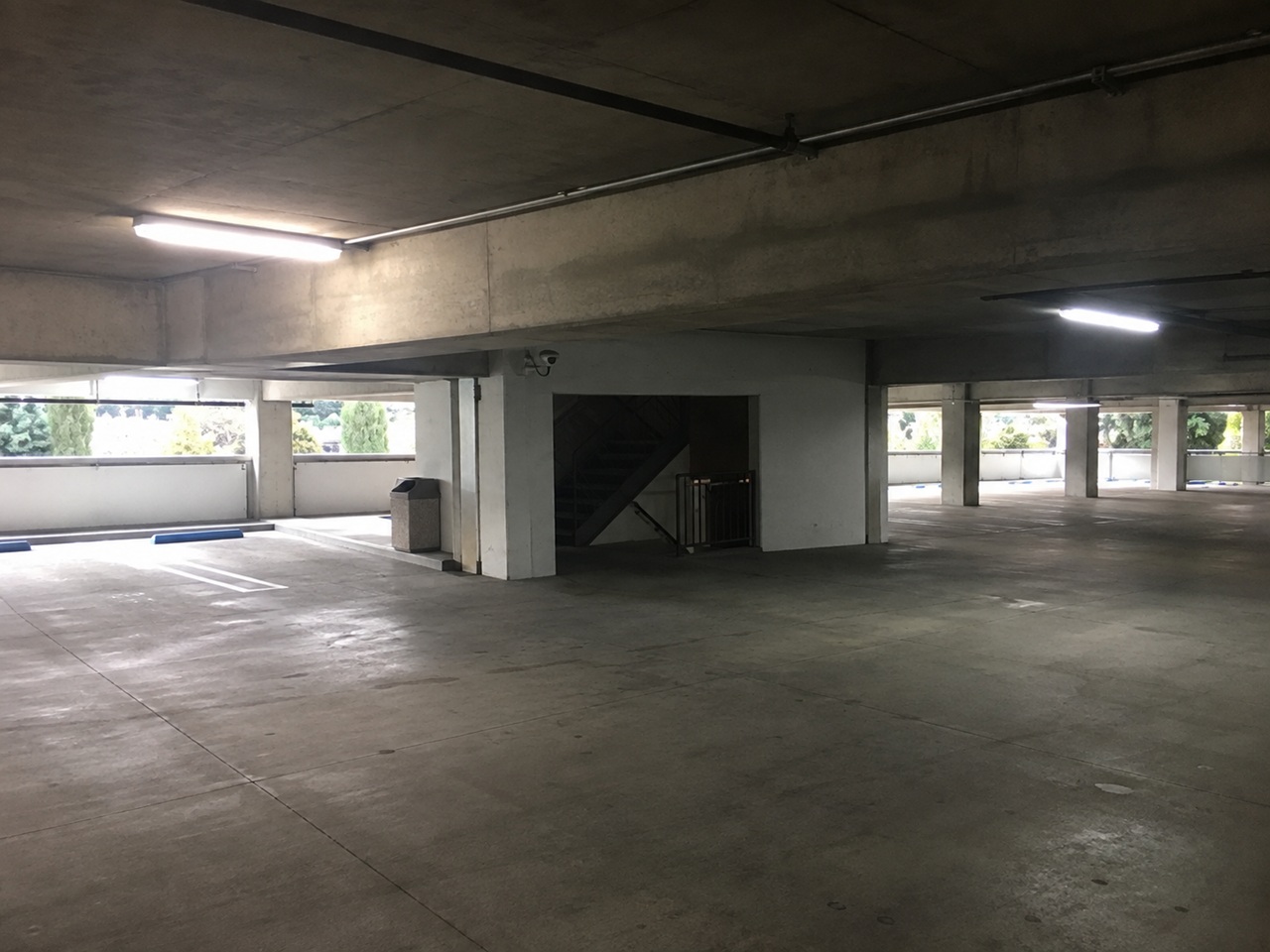
Property Owners May Be Liable When Foreseeable Crime Meets Inadequate Security
An assault in a poorly lit parking garage. A shooting outside a nightclub after repeated disturbances. A sexual assault at an apartment complex where broken access controls had gone unrepaired despite prior complaints.
The person who commits a violent crime may bear direct responsibility for the attack. In some circumstances, however, California law may also allow an injured person to pursue a claim against a property owner, business, landlord, or another party that controlled the premises and failed to take reasonable steps to address a foreseeable risk.
These cases fall within California premises liability law. A negligent security claim does not make a property owner automatically responsible for every crime that occurs. The central questions generally involve whether the criminal conduct was sufficiently foreseeable, what precautions were reasonable under the circumstances, and whether a security failure contributed to the harm.
California Uses A Sliding Scale To Evaluate Foreseeability And Security
California Civil Code § 1714 establishes a general duty to use ordinary care in the management of property. Applying that duty to crimes committed by third parties requires a more specific analysis.
California courts generally balance the foreseeability of the criminal conduct against the burden of the security measures the injured person argues should have been taken. The greater the burden of the proposed precaution, the stronger the showing of foreseeability generally needs to be.
For example, requiring a business to hire security guards around the clock places a much greater burden on the business than repairing a broken lock, responding to a developing disturbance, or taking another relatively limited precaution. California courts therefore do not apply exactly the same foreseeability threshold to every proposed security measure.
Evidence that may become relevant includes:
- Prior Similar Crimes: Previous assaults, robberies, shootings, or other violent incidents on the property can be important evidence, particularly when the claim is that the owner should have hired security personnel.
- The Nature And Location Of The Property: Courts may consider how the property is used, where it is located, and the circumstances surrounding the alleged danger.
- Recent Disturbances Or Specific Threats: A developing confrontation, direct threat, or warning may necessitate reasonable, responsive measures, even when the property has no long history of similar crimes.
- Prior Complaints: Reports concerning broken locks, gates, lighting, trespassers, or safety problems can help establish what the owner or manager knew.
- Police Calls And Incident Records: A documented history of problems at the property may help establish whether the eventual crime was reasonably foreseeable.
Prior similar incidents can be particularly significant, but California law does not reduce every negligent security case to a simple requirement that an identical crime must have happened before.
Security Failures Can Take Several Forms
A negligent security case depends on the particular property, known risks, and precautions that were reasonable under the circumstances. Potential security issues may include:
- Broken or defective locks and access gates.
- Lighting that was not reasonably maintained.
- Failure to respond to known trespassing or repeated criminal activity.
- Failure to address specific threats or an escalating disturbance.
- Security procedures that were adopted but not followed.
- Failure to reasonably maintain existing security equipment.
- Repeated safety complaints that were ignored.
The existence of one of these conditions does not automatically establish liability. The evidence still needs to connect the alleged security failure to a foreseeable danger and the resulting injury.
The setting can also matter. Clancy & Diaz handles hotel accident cases involving allegations of inadequate security, while security concerns may also arise in apartment buildings and parking areas.
Evidence Can Disappear Quickly After A Violent Crime
Negligent security claims often turn on evidence the property owner, management company, security contractor, or police department may possess.
Important evidence can include:
- Surveillance video.
- Incident and security reports.
- Police calls for service.
- Tenant or customer complaints.
- Maintenance records for gates, locks, lighting, and cameras.
- Security contracts and staffing schedules.
- Emails between owners, managers, employees, and security personnel.
- Photographs of the property.
- Witness statements.
Our premises liability FAQ discusses how photographs, surveillance footage, maintenance information, and evidence of what a property owner knew can become important in these cases.
Video may be overwritten, physical conditions may be repaired, and employees may leave. Preserving evidence early can therefore become an important part of determining what the property owner knew and what happened before the attack.
More Than One Party May Share Responsibility
The property owner is not necessarily the only potential defendant. Depending on the circumstances, responsibility may also involve a commercial tenant, landlord, property management company, security contractor, maintenance company, or another entity that controlled the area or had responsibility for a particular security measure.
A negligent security investigation may therefore examine leases, property management agreements, security contracts, and other documents that establish who controlled the property and who was responsible for addressing the condition at issue.
The criminal attacker and negligent property-related defendants may also have separate forms of legal responsibility for the same harm.
Violent Attacks Can Cause Serious And Lasting Injuries
Assaults and shootings can result in substantial medical expenses and lasting physical and psychological harm. Depending on the injuries, a claim may involve emergency care, surgery, rehabilitation, lost income, reduced earning capacity, pain and suffering, and future medical treatment.
Victims may suffer serious injuries including fractures, internal injuries, permanent scarring, nerve damage, or loss of mobility. A violent fall or blow to the head may result in a traumatic brain injury, while gunshots and other severe trauma may cause spinal injuries or permanent disability.
If inadequate security contributes to a fatal attack, eligible surviving family members may also have a wrongful death claim. The specific damages available depend on the circumstances and the relationship between the survivors and the person who died.
California Generally Allows Two Years To File An Injury Lawsuit
Under California Code of Civil Procedure § 335.1, an action for injury or death caused by another person's wrongful act or neglect generally must be filed within two years.
A criminal investigation or prosecution of the attacker does not necessarily control the deadline for a separate civil claim against a property owner or another responsible party. Other rules may also shorten or change the filing period in particular circumstances, including claims involving public entities.
That makes it important to investigate the civil claim independently rather than waiting for the criminal case to conclude.
Comparative Fault Does Not Automatically Eliminate A Claim
California follows pure comparative negligence. If an injured person is found partly responsible for their injuries, their damages may be reduced by the percentage of fault rather than automatically barred.
Property owners and insurers may argue that the victim ignored a warning, entered a restricted area, contributed to a confrontation, or otherwise bears some responsibility. Those arguments do not resolve the case by themselves. The conduct of every person and entity involved needs to be evaluated when liability is apportioned.
Negligent Security Claims Require A Close Look At What The Property Owner Knew
A violent crime does not automatically create a premises liability case. The strength of a negligent security claim often depends on what dangers were foreseeable, what the property owner knew or reasonably should have known, what precautions were reasonable, and whether a failure to take those precautions contributed to the attack.
At Clancy & Diaz, LLP, we investigate premises liability cases throughout Walnut Creek and the Bay Area. That can include reviewing prior incidents, security practices, surveillance footage, police records, maintenance history, and other evidence needed to determine whether preventable property conditions contributed to an injury.
Our case results include a $1.3 million premises liability settlement involving a client who underwent multiple surgeries and ultimately required an above-the-knee amputation following a fall. Prior results do not guarantee a similar outcome, but they reflect the significant factual and evidentiary work that serious premises cases can require.
If you or a loved one was injured in a violent incident on someone else's property, contact us for a free case evaluation. We handle personal injury cases on a contingency fee basis, meaning you pay nothing unless we win your case.
"Clancy & Diaz will help you to the max so don’t hesitate to reach out to them. These types of things are difficult to navigate, but trust me, they are here for you! I’m extremely glad they were able to represent our family in our time of need. We hope we never need something like this, but if you do, reach out to Clancy & Diaz; they’ll fight for you!" - Tony G., ⭐⭐⭐⭐⭐